
Custom software development
We review the task, user roles and data. A prototype and useful first release are agreed before staged development, testing and rollout. Code rights, handover and support terms are defined in the contract.
We build software to automate operations, serve customers and exchange data.

Select a stage to explore the work
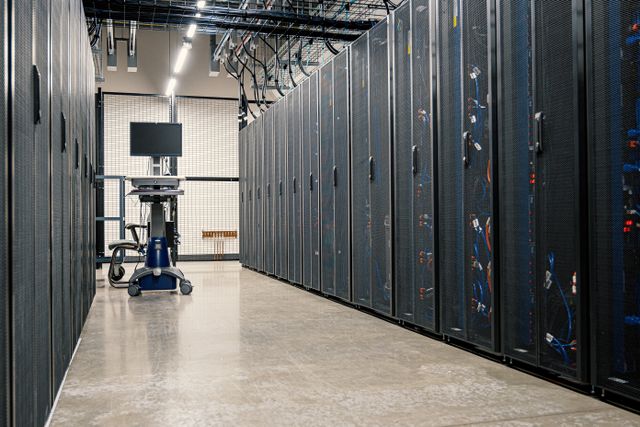
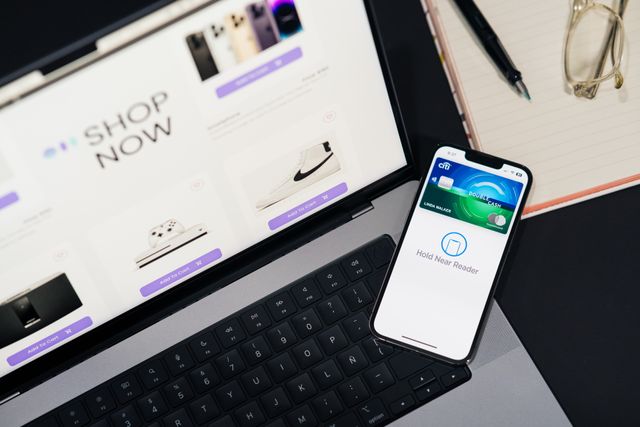
Developer writing code on a laptop — Mikhail Nilov · Pexels Network racks in a server room — Brett Sayles · Pexels Online shopping and mobile payment — Julio Lopez · Pexels
Brief. Define users, workflows and the first useful release.
Prototype. Review screens and workflow before development.
Build. Build features and demonstrate progress.
Launch. Test workflows, train users and hand over the system.
We start with workflows and the desired outcome, then agree features, interfaces, integrations and operating model. Technology is chosen after requirements are reviewed.
We review the task, user roles and data. A prototype and useful first release are agreed before staged development, testing and rollout. Code rights, handover and support terms are defined in the contract.
We build browser-based portals, dashboards and customer services with roles, storage, notifications and administration. SaaS projects separately address tenant separation, subscriptions and service operations.
We design mobile flows for jobs, photo reports, notifications and field work. Camera, location and offline access are included when needed. Publication depends on customer accounts and the relevant app store requirements.
Desktop tools can work with local devices and files. We agree supported operating systems, installation and updates, then test the application on the specified hardware configurations.
We create clear page structures, responsive design, service catalogues and enquiry forms. Content management, language versions and basic indexing settings are configured. Handover includes editing guidance; content, integrations and support are scoped explicitly.
A field team needs jobs and photo reports. A dispatcher creates a task in a web panel; the technician opens it on a phone, uploads evidence and updates its status. A manager sees the queue and history. This illustrates a custom build, not a ready-made product.
Discuss a project ↗Define users, workflows and the first useful release.
Review screens and workflow before development.
Build features and demonstrate progress.
Test workflows, train users and hand over the system.
Scope, equipment, schedule and price are agreed after reviewing your requirements and surveying the site where needed. This example illustrates the approach; the final design is tailored to your site.
Tell us about the site and the task so we can discuss the right scope.