
System and API integration
We define the source of truth for each field and when changes are sent. Reference data, authentication, exchange logs and retries are configured, with duplicate prevention for repeated events.
We connect software and equipment through available interfaces so information follows agreed workflows.


Select a stage to explore the work
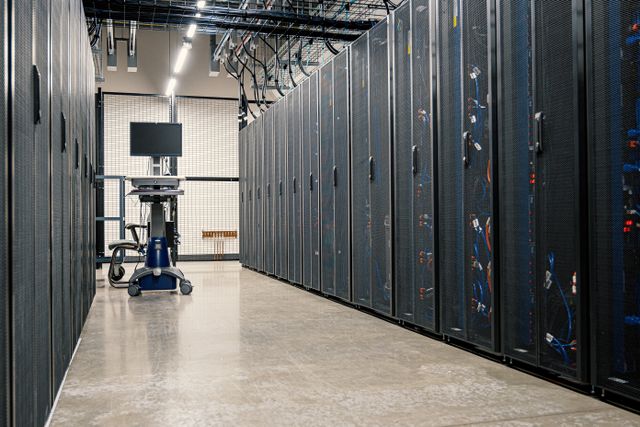
Network racks in a server room — Brett Sayles · Pexels Ethernet network switch — Dima Krivoy · Pexels Developer writing code on a laptop — Mikhail Nilov · Pexels
Source. Select the events and fields to exchange.
Validation. Validate format, permissions and required fields.
Exchange. Transfer data with duplicate and error handling.
Confirmation. Reconcile the result and record the operation.
We check product versions, available APIs, data formats and access terms first. Restricted interfaces may require separate approval.
We define the source of truth for each field and when changes are sent. Reference data, authentication, exchange logs and retries are configured, with duplicate prevention for repeated events.
We check the 1C configuration, version and customisations. Counterparty, order, stock or payment exchange and conflict rules are agreed, then tested on a copy or controlled sample before production use.
Messages can create requests and trigger agreed notifications. A bot can collect details, show status and hand over to staff. Available actions depend on the channel API, accounts and service rules.
Call events can identify customers, open request records and build contact history. Routing and staff permissions are agreed. Call recording and retention require separately defined operating conditions.
Device protocols and documentation are checked before data collection, availability monitoring and event transfer are built. Offline periods and invalid readings are handled. Remote control needs separately agreed logic and permissions.
An order starts in a customer portal and is sent to accounting. Agreed statuses and references come back. A connection failure is logged and retried without creating a second order. Staff can see failed exchanges.
Discuss a project ↗Select the events and fields to exchange.
Validate format, permissions and required fields.
Transfer data with duplicate and error handling.
Reconcile the result and record the operation.
Scope, equipment, schedule and price are agreed after reviewing your requirements and surveying the site where needed. This example illustrates the approach; the final design is tailored to your site.
Tell us about the site and the task so we can discuss the right scope.