
Fibre cable laying
Cable selection follows the installation method and environment. We respect manufacturer pulling and bend limits, leave service slack, protect crossings and label the route. Changes to live links use an agreed maintenance window.
We build fibre-optic links for businesses, offices, industrial and remote sites, delivering the full scope or a selected stage.
Select a stage to explore the work
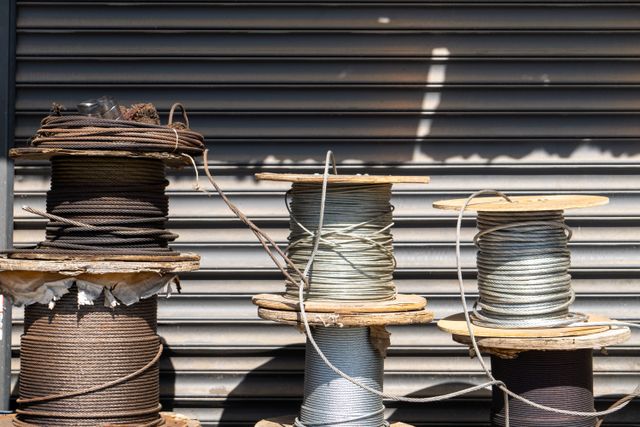
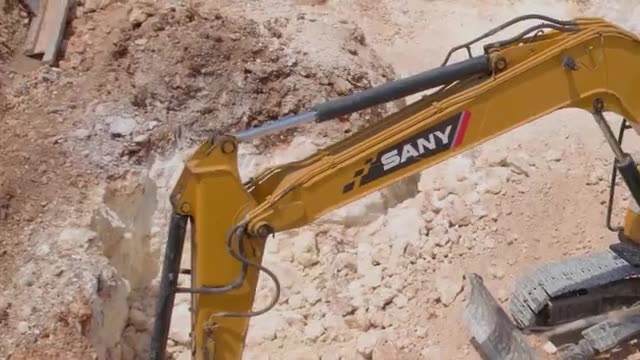
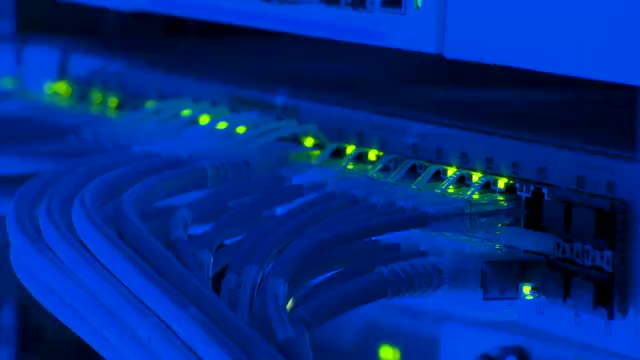
Industrial cable reels — Andrew Durkin · Pexels Pipe at an excavation site — Sergei Starostin · Pexels Ethernet network switch — Dima Krivoy · Pexels
Route. Choose the route, laying method and spare fibre capacity.
Cable laying. Install the cable with protection and service slack.
Splicing. Splice fibres in closures and terminate them at patch panels.
Testing. Test the link and hand over the connection diagram.
We select underground, duct, aerial or indoor routes to suit the site, agreeing connection points, fibre count and capacity for expansion.
Cable selection follows the installation method and environment. We respect manufacturer pulling and bend limits, leave service slack, protect crossings and label the route. Changes to live links use an agreed maintenance window.
We prepare and splice fibres, secure joints in trays and assemble closures and patch panels. Connectors are cleaned and fibre allocation is recorded so ports, fibres and endpoints can be traced.
We test continuity and loss using agreed methods, including OTDR where specified. We inspect events and joints, correct defects and compare results with the designed loss budget and equipment requirements.
We connect the agreed active equipment and verify data transfer and port labels. Fault work identifies the damaged section before repair is agreed. Extensions, new branches and periodic checks can form part of maintenance.
A production building needs a link to the server room. We choose a protected route, install fibre and terminate it in both buildings. Splice losses and data transfer are checked. Spare fibres can support future workstations and cameras.
Discuss a project ↗Choose the route, laying method and spare fibre capacity.
Install the cable with protection and service slack.
Splice fibres in closures and terminate them at patch panels.
Test the link and hand over the connection diagram.
Scope, equipment, schedule and price are agreed after reviewing your requirements and surveying the site where needed. This example illustrates the approach; the final design is tailored to your site.
Tell us about the site and the task so we can discuss the right scope.